In the ever-changing social media landscape, Instagram remains a powerful platform for individuals, businesses, and influencers alike.
Over time, the practice of purchasing Instagram followers has emerged as a contentious yet common strategy for increasing visibility and credibility.
This article delves into the history, present, and future of purchasing Instagram followers, examining its evolution and implications in the digital age.
Past: Origins and Early Adoption
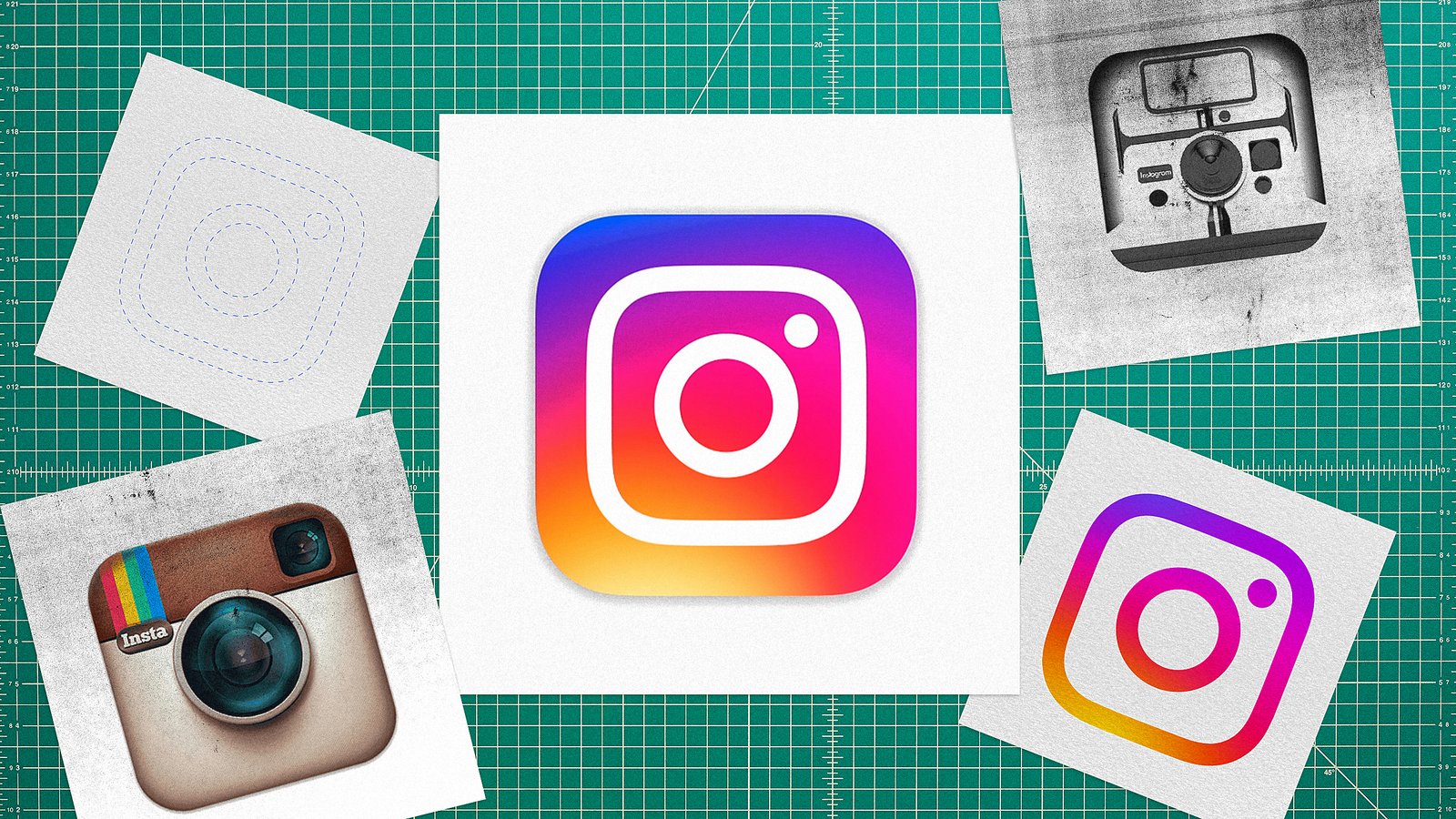
In its early days, Instagram was primarily used to share personal photos and connect with friends. As businesses and influencers recognized its marketing potential, the race to build a sizable following began.
The practice of buying followers emerged as a quick way to gain social proof and appear more influential. Services offering to increase follower counts quickly became popular, promising immediate credibility and visibility.
During this time, buying followers was largely unregulated and frequently regarded as a grey area in social media marketing. Many individuals and brands saw it as a necessary strategy for competing in a rapidly expanding and competitive digital market. However, early adopters soon encountered difficulties as the platform’s algorithms shifted to prioritize engagement over sheer follower count.
Present: Challenges and Realities
Today, purchasing Instagram followers remains a contentious practice with mixed results. While bought followers can provide an initial boost in visibility, they are often inactive or bots, resulting in low engagement rates.
Instagram’s algorithms have improved in detecting fraudulent activity, penalizing accounts with purchased followers by reducing their reach and visibility. This shift has forced marketers to reconsider their strategies and prioritize organic growth and genuine engagement.
Furthermore, the rise of influencer marketing has complicated the situation. Brands are increasingly prioritizing collaborations with authentic, engaged influencers over those with inflated follower counts. This trend emphasizes the value of authenticity and credibility in digital marketing, prompting influencers and businesses to reconsider their reliance on purchased followers.
Future: Trends and Outlook
Looking ahead, the future of buying Instagram followers is likely to change as platform regulations tighten and consumer behaviors shift. Instagram continues to put in place measures to combat fake engagement and boost user trust. This includes cracking down on accounts that use deceptive practices, such as buying followers or likes.
As transparency and authenticity become more important in digital marketing strategies, businesses and influencers should prioritize organic growth and meaningful connections with their target audience.
Strategies that focus on creating high-quality content, encouraging genuine engagement, and using analytics to refine targeting are likely to succeed. Collaborations and partnerships will prioritize value alignment and audience demographics over follower numbers.
Furthermore, technological advancements such as artificial intelligence and machine learning could provide new solutions for detecting and mitigating fake engagement. These technologies could help platforms like Instagram detect and penalize fraudulent activity, reshaping the digital marketing landscape.
Conclusion
The evolution of buying Instagram followers reflects broader changes in social media marketing, from early adoption and experimentation to current challenges and future trends.
While the practice has provided temporary benefits to some, its long-term viability is dependent on adapting to changing platform dynamics and consumer expectations. As Instagram and other platforms continue to improve their algorithms and policies, the emphasis on authenticity, engagement, and ethical marketing practices will only increase.
Ultimately, success on Instagram and other social media platforms will be defined not by the number of followers, but by the ability to foster meaningful connections and deliver valuable content to a truly engaged audience.