In the competitive world of Instagram, many brands and influencers turn to buying followers as a strategic way to increase their visibility and credibility.
However, successfully managing these purchased followers is critical to ensuring that this strategy results in genuine growth and engagement. Analytics can help you monitor and optimize the impact of bought followers, ensuring that your Instagram strategy remains strong and effective.
Here’s how you can use analytics to manage and monetize your purchased Instagram followers.
Understanding the Basics of Instagram Analytics
Before getting into the specifics, it’s important to understand the fundamentals of Instagram analytics. Instagram Insights, available to business and creator accounts, provides detailed information about your followers and how they interact with your content. The key metrics include:
- Follower Growth: Keeps track of whether your follower count is increasing or decreasing.
- Engagement Rate: This metric tracks how many people like, comment, share, and save your posts.
- Reach and Impressions: Reach refers to the number of unique users who see your content, whereas impressions represent the total number of times your content is viewed.
- Audience Demographics: Discover the age, gender, and location of your followers.
- Content Performance: Determines which types of content (posts, stories, and reels) perform the best.
Regularly reviewing these metrics will provide you with a comprehensive understanding of your account’s performance and the behavior of your followers.
Monitoring Follower Growth
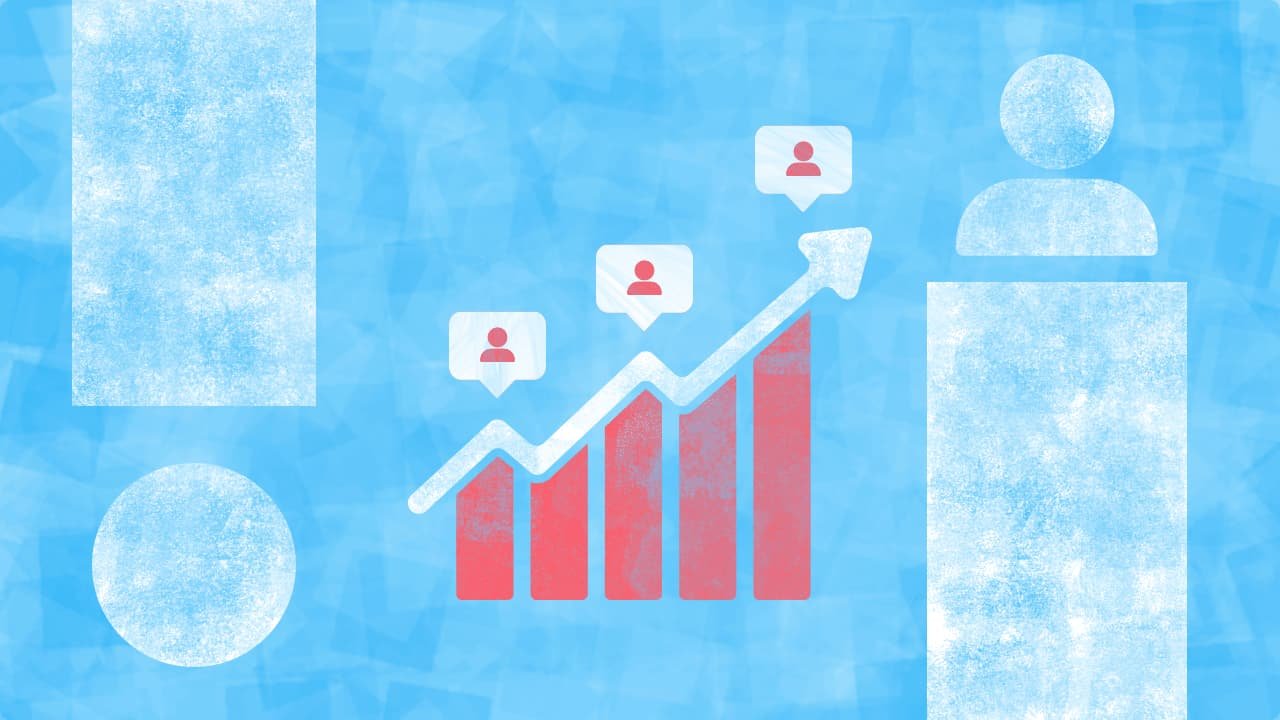
Once you’ve purchased followers, it’s critical to monitor their growth over time. Use Instagram Insights to track daily and weekly changes to your follower count.
Look for patterns or spikes in growth and compare them to your content publishing schedule. If you notice a significant drop in followers, it could be due to low-quality purchased followers or removal by Instagram’s anti-bot measures.
Third-party analytics tools such as Social Blade or HypeAuditor can help ensure the longevity and quality of your follower base. These platforms provide more detailed insights and historical data, enabling you to identify trends and make informed decisions.
Analyzing Engagement Rates
One of the most significant challenges with purchased followers is that they frequently do not engage with your content. A key metric to monitor is your engagement rate, which is calculated by dividing the total number of engagements (likes, comments, and shares) by the total number of followers and multiplying by 100.
If your engagement rate drops significantly after purchasing followers, it indicates that they aren’t engaging with your content. To mitigate this, focus on producing high-quality, engaging content that speaks to your target audience. Use Instagram’s engagement metrics to identify the most successful posts and replicate them in future content.
Evaluating Reach and Impressions
Monitoring reach and impressions can help you understand how your content is distributed on Instagram. If your reach grows but engagement remains low, it’s possible that your purchased followers are inflating your numbers without contributing to meaningful interactions.
To address this, test different types of content and posting times to see what works best for your audience. Use Instagram Insights to monitor the performance of different posts, stories, and reels. By identifying the content with the highest reach and impressions, you can tailor your strategy to maximize visibility and engagement.
Understanding Audience Demographics
Analyzing your audience demographics is critical for understanding who your followers are and how to appeal to their interests. After purchasing followers, check Instagram Insights to see if your target audience’s age, gender, or location has changed significantly.
If the demographics of your followers change dramatically, it could mean that the followers you bought do not match your target audience. This misalignment can have an impact on both your engagement and overall effectiveness. To counteract this, create content that appeals to your core demographic and use targeted ads to attract genuine followers interested in your niche.
Assessing Content Performance
Evaluating the performance of your content is critical for determining what works and what does not. Use Instagram Insights to track metrics such as likes, comments, shares, and saves for each post. Identify patterns in high-performing content and use them to guide your future posts.
For example, if you notice that video content is more engaging for your audience than static images, prioritize creating more videos. Also, pay attention to the times of day when your posts receive the most engagement and plan your content accordingly.
Leveraging Third-Party Analytics Tools
While Instagram Insights is useful, third-party analytics tools can provide more comprehensive and detailed insights. Advanced analytics are provided by tools such as Sprout Social, Iconosquare, and Hootsuite, which include sentiment analysis, competitor benchmarking, and detailed follower analysis.
These tools allow you to track the quality and authenticity of your followers, monitor engagement trends, and gain a better understanding of your audience’s behavior. This data can help you fine-tune your content strategy, increase engagement rates, and ensure that your purchased followers add value to your overall Instagram presence.
Implementing A/B Testing
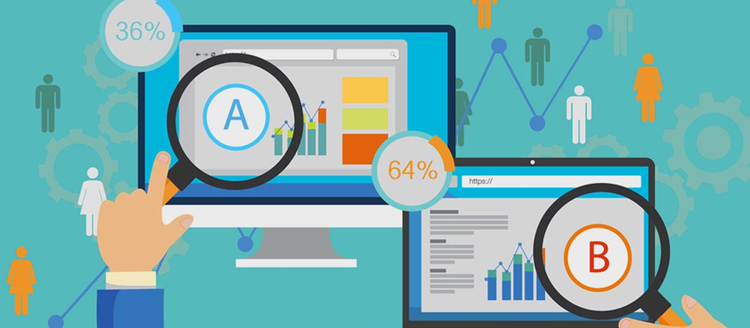
A/B testing, also known as split testing, is an effective way to determine which types of content resonate best with your target audience. Create two versions of a post with minor differences (for example, different captions, images, or hashtags) and publish both at the same time. Use Instagram Insights to compare their performance and determine which version is more engaging.
By consistently implementing A/B testing, you can optimize your content strategy using data-driven insights. This strategy ensures that you are constantly improving and adapting to your audience’s preferences, maximizing the impact of both organic and purchased followers.
Fostering Genuine Engagement
While analytics are critical for managing purchased followers, genuine engagement is just as important. Engage your followers by responding to comments, asking questions in captions, and encouraging user-generated content. Creating a community around your brand can help you convert passive followers into active, engaged customers.
Consider hosting giveaways, collaborations, and live sessions to increase engagement and foster a sense of community. By cultivating genuine relationships with your followers, you can increase their loyalty and promote organic growth.
Conclusion
Using analytics to manage purchased Instagram followers is critical for reaping the full benefits of this strategy. Regularly monitoring follower growth, engagement rates, reach, and audience demographics allows you to make informed decisions and optimize your content strategy.
Using third-party tools, conducting A/B testing, and encouraging genuine engagement improves your ability to manage and benefit from purchased followers. Finally, a data-driven approach ensures that your investment in purchased followers results in significant growth and long-term success on Instagram.