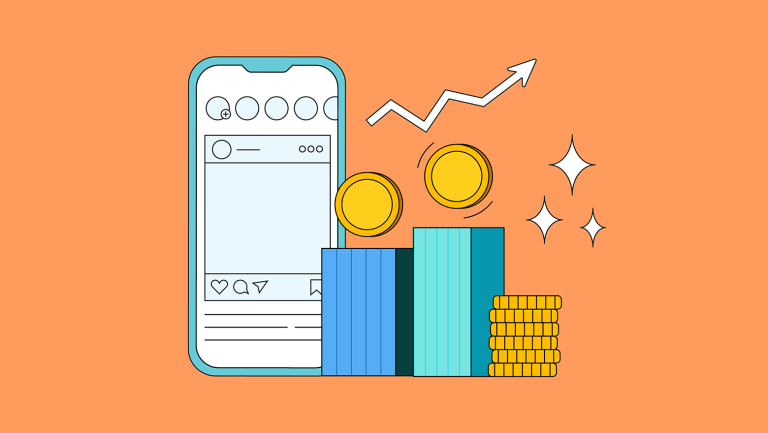
Analyzing ROI (Return on Investment) after purchasing Instagram likes is crucial for assessing the effectiveness of your marketing efforts and optimizing future strategies.
Here’s a comprehensive guide on how to evaluate the ROI after buying Instagram likes, ensuring your investment translates into meaningful business outcomes.
Introduction to Analyzing ROI After Buying Instagram Likes
In today’s digital age, social media platforms like Instagram are essential for businesses and influencers looking to broaden their reach, increase brand visibility, and foster engagement with their target audience.
Among the various strategies used, buying Instagram likes stands out as a quick way to increase a post’s visibility and perceived credibility. However, for this investment to yield long-term benefits, the Return on Investment (ROI) must be rigorously measured and analyzed.
This entails evaluating not only immediate metrics like likes and comments, but also broader effects like follower growth, website traffic, and overall brand perception. Effective ROI analysis ensures that the strategy is in line with long-term business goals and makes a significant contribution to digital marketing objectives.
Understanding ROI in the Context of Instagram Likes
ROI analysis evaluates the return on investment in relation to its expenditure. When it comes to purchasing Instagram likes, ROI goes beyond just the number of likes acquired. It includes metrics such as increased follower counts, higher engagement rates, increased brand visibility, and potential conversions like increased website traffic or product sales.
Evaluating these results against the costs of buying likes allows marketers to assess the profitability and effectiveness of their social media marketing campaigns.
This comprehensive analysis enables businesses to make more informed decisions, optimize their marketing strategies, and allocate resources more efficiently on Instagram and other digital platforms, resulting in sustainable growth and increased brand equity.
Steps to Analyze ROI After Buying Instagram Likes
1. Define Your Objectives
Before purchasing Instagram likes, make sure your marketing campaign has clear objectives. Determine whether your goal is to increase brand awareness, website traffic, sales, or overall platform engagement. Each objective will determine which metrics you prioritize in your ROI analysis.
Clear goals provide a road map for determining the efficacy of purchased likes in achieving desired results. By defining specific goals ahead of time, marketers can better align their strategies, measure success, and adjust tactics as needed to optimize their social media investment for maximum impact and long-term growth.
2. Track Key Metrics
Using Instagram Insights or third-party analytics tools is critical for tracking key metrics before and after purchasing Instagram likes. Track changes in engagement metrics such as likes, comments, shares, saves, profile visits, and follower growth.
These insights provide a comprehensive picture of how purchased likes have influenced overall engagement and audience interaction with your profile. By comparing these metrics before and after the campaign, marketers can determine the effectiveness of their purchase of likes.
This data-driven approach not only informs strategic decisions, but also allows marketers to optimize future campaigns based on what resonates most with their target audience, resulting in continuous improvements in engagement and brand visibility.
3. Calculate Cost per Like
Calculating the total cost of purchasing Instagram likes and dividing it by the number of likes received yields a precise metric known as cost per like. This calculation is critical for determining the effectiveness of your investment when compared to organic engagement strategies.
A lower cost per like indicates a more cost-effective approach to increasing engagement, whereas a higher cost may require a rethinking of strategy or provider selection.
By quantifying the financial impact per like, marketers can make more informed budget allocation and campaign effectiveness decisions, ensuring that every purchase of likes contributes positively to their overall social media marketing objectives.
4. Measure Engagement Rate
Comparing the engagement rate of posts before and after purchasing Instagram likes reveals important information about the effectiveness of your strategy. To calculate the engagement rate, divide the total number of engagements (likes, comments, and shares) by the total number of followers and multiply by 100%.
This metric is useful for assessing audience interaction levels and the impact of purchased likes on overall engagement. A higher post-purchase engagement rate indicates that the strategy was successful in promoting audience interaction and increasing content visibility.
Analyzing these changes allows marketers to fine-tune their strategy, optimize future campaigns, and ensure that purchased likes contribute to long-term growth and engagement on Instagram.
5. Assess Follower Growth
Evaluating the impact on follower growth after purchasing Instagram likes is critical to understanding your strategy’s overall impact. A noticeable increase in followers indicates increased brand visibility and appeal among the target audience. However, it is equally critical to monitor the quality of these new followers.
Making sure they match the demographics and interests of your target audience helps to keep them relevant and engaging. By tracking follower growth and quality, marketers can evaluate the effectiveness of their purchased likes in not only expanding their reach but also nurturing a community that actively engages with their content, resulting in long-term growth and brand loyalty on Instagram.
6. Analyze Conversion Metrics
Tracking conversions like website visits, sign-ups, and sales attributed to Instagram traffic is critical for determining the true impact of purchased likes on business outcomes. Use tools like Google Analytics or Instagram’s built-in analytics to accurately identify Instagram’s incoming traffic sources and conversion rates.
This analysis provides useful information about whether purchased likes have been effectively translated into tangible actions that contribute to business growth.
By linking engagement metrics to actual conversions, marketers can assess the return on investment, optimize future strategies, and better allocate resources to channels and campaigns that deliver the highest ROI and long-term business success.
7. Consider Long-term Impact
Assessing the long-term effects of purchasing Instagram likes goes beyond immediate engagement metrics to include brand credibility and reputation. Monitor changes in brand perception, customer loyalty, and overall social media presence over time.
Beyond initial engagement boosts, genuine connections with your audience are essential for long-term growth. In order to foster trust and loyalty, brands must prioritize authenticity and transparency in all interactions. Marketers can mitigate the potential negative effects of buying likes on brand reputation by implementing a consistent and value-driven approach.
This strategic oversight ensures that social media efforts on platforms such as Instagram contribute positively to long-term growth, increased credibility, and strong relationships with their audience.
Conclusion
Analyzing ROI after purchasing Instagram likes requires a systematic approach to evaluating various metrics and outcomes. Marketers can measure the effectiveness of their investment and fine-tune their social media strategies by setting clear objectives, tracking key performance indicators, and leveraging analytical tools.
Finally, a thorough ROI analysis ensures that purchasing Instagram likes contributes to significant business growth, increases brand visibility, and fosters genuine audience engagement in the competitive digital landscape.