In the digital age, social media has become an essential component of personal identity, brand promotion, and social interaction. Among the numerous platforms, Instagram stands out as a visual-focused space where individuals and businesses can showcase their lifestyles, products, and ideologies.
Within this ecosystem, the metric of “likes” has evolved into a valuable currency, prompting many people to buy Instagram likes. Understanding the psychology that drives this trend provides insights into human behavior, societal pressures, and marketing strategies.
The Desire for Social Validation
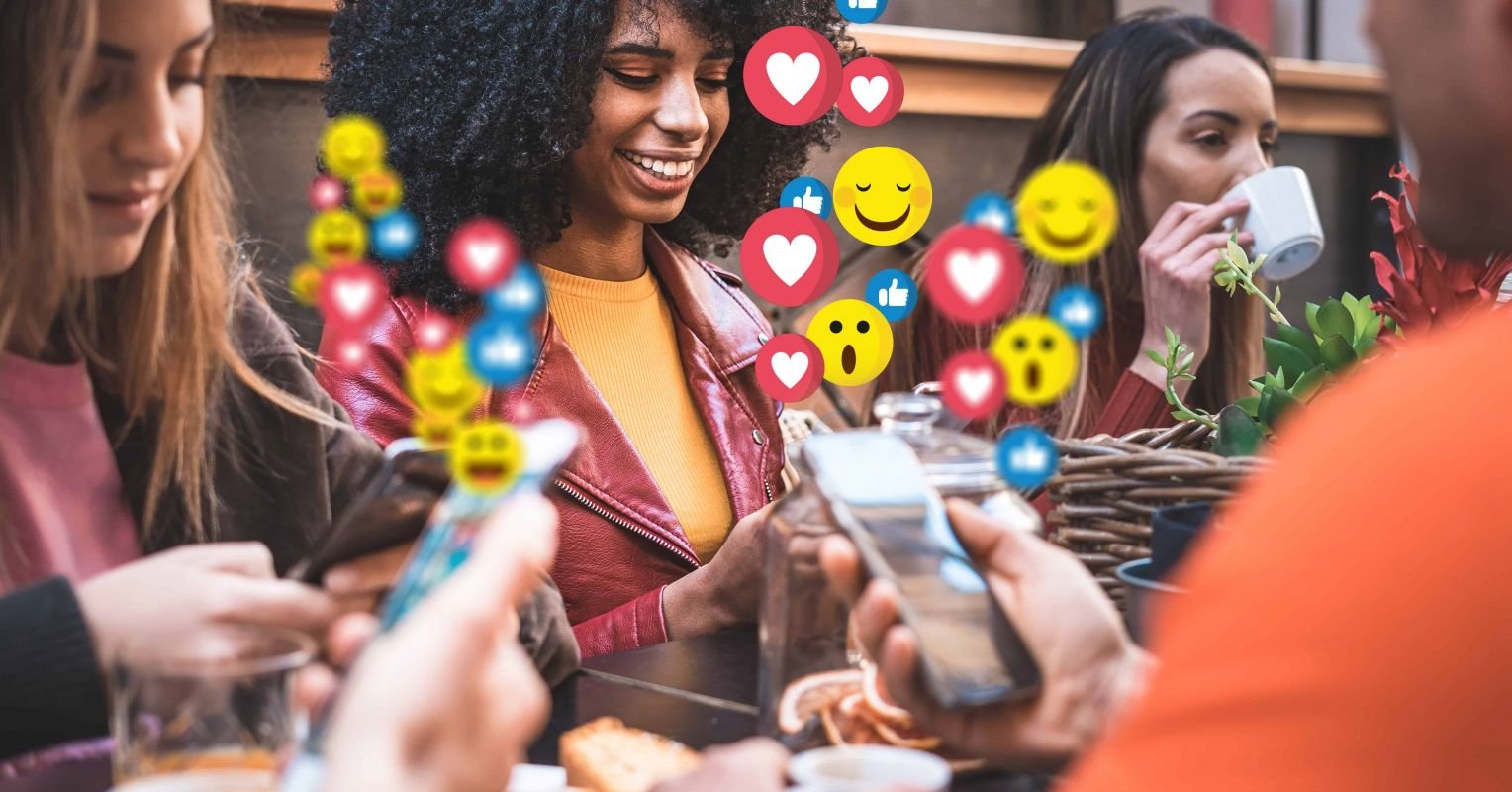
The human desire for social validation is central to the phenomenon of buying Instagram likes. Psychologists have long recognized that humans are inherently social beings who seek acceptance and approval from their peers.
This need is amplified in the digital world, where likes serve as tangible proof of social approval. The more likes a post receives, the more validated and appreciated the user feels.
This validation boosts self-esteem and reinforces positive self-perception, making it appealing for users to purchase likes in order to simulate social approval.
The Illusion of Popularity
Popularity, both online and offline, is frequently linked to power and influence. On Instagram, a high like count gives the impression of popularity.
This illusion can benefit influencers, businesses, and even ordinary users. Influencers can gain more followers, businesses can look more credible, and individuals can appear more interesting and socially connected.
This perceived popularity can lead to actual popularity as more users flock to accounts that appear to be well-liked, resulting in a positive feedback loop.
Fear of Missing Out (FOMO)
The fear of missing out (FOMO) is a powerful psychological motivator in the digital age. When users see peers or competitors receiving significant engagement on their posts, they may feel compelled to achieve similar results. Purchasing likes becomes a shortcut for avoiding the anxiety caused by FOMO.
By artificially inflating their engagement, users can feel like they are keeping up with or even outperforming their peers, alleviating the fear of falling behind in the social media race.
Social Proof and Bandwagon Effect
Social proof is a psychological concept in which people assume the actions of others in order to reflect appropriate behavior. A high number of likes on an Instagram post is considered social proof that the content is valuable or noteworthy.
This can result in the bandwagon effect, in which users are more likely to interact with a post simply because so many others have. Buying likes allows users to create an initial impression of social proof, which can naturally attract more genuine likes and followers.
Marketing and Brand Building
Businesses and influencers frequently buy Instagram likes as part of their strategic marketing and brand building efforts. High engagement rates are critical for visibility in Instagram’s algorithm, which prioritizes popular posts.
By increasing likes, businesses can increase the likelihood that their content will be seen by a larger audience. Furthermore, a popular post can boost the brand’s credibility and appeal, making it more appealing to prospective customers or followers.
Instant Gratification
In a world where instant gratification is highly valued, the slow and steady process of organically increasing likes can be discouraging. Purchasing Instagram likes provides an immediate boost, satisfying the need for quick results.
This instant gratification is especially appealing in a fast-paced digital environment where success is frequently measured in real-time metrics. The allure of seeing immediate, tangible results from purchased likes creates a sense of accomplishment and progress that would otherwise take weeks or months.
This quick payoff can reinforce the behavior, making it an appealing option for those who want to quickly establish their presence and influence on the platform.
Psychological Impact on Mental Health
While purchasing Instagram likes may provide temporary satisfaction, it can also have a negative impact on mental health. Relying on purchased likes for validation can create a cycle of dependency in which self-worth becomes increasingly linked to social media metrics.
If the artificial engagement is not maintained, it can lead to anxiety, stress, and even depression. Furthermore, awareness of inauthenticity can lead to cognitive dissonance, in which users grapple with the disparity between their online persona and real-life self.
Ethical Considerations and Authenticity
The purchase of Instagram likes raises ethical concerns about authenticity and integrity. Social media is frequently criticized for encouraging unrealistic standards and superficial interactions.
Buying likes exacerbates the problem by adding to the appearance of success and popularity. For businesses and influencers, this can backfire if followers perceive their engagement as fake, potentially harming their reputation and credibility.
The Role of Algorithm
Instagram’s algorithm has a significant impact on the decision to buy likes. The platform’s algorithm prioritizes content with high engagement, so posts with more likes are more likely to appear prominently.
This creates a competitive environment in which users feel pressured to artificially increase their likes in order to gain visibility. Understanding this algorithmic influence is critical in understanding why users resort to buying likes in order to remain relevant.
The Future of Social Media Engagement
As social media platforms evolve, engagement metrics are likely to change. Instagram has experimented with hiding likes from posts in an attempt to alleviate the pressure and negative psychological impact associated with like counts.
This shift could have an impact on the trend of buying likes, encouraging users to prioritize genuine engagement and content quality.
However, as long as social validation and algorithmic advantages are linked to engagement metrics, the psychology behind Instagram like purchases will persist.
Conclusion
The psychology of purchasing Instagram likes is multifaceted, including desires for social validation, popularity, and instant gratification, as well as strategic marketing considerations.
While this practice may provide short-term benefits, it also has negative consequences for mental health and authenticity. As social media continues to influence human interaction and perception, understanding these psychological drivers can assist users in navigating the digital landscape with greater mindfulness and authenticity.
Balancing the pursuit of online success with genuine self-expression remains difficult in the ever-changing world of social media.